Posted on — Leave a comment

SCR System Basics: NOx Sensors, DEF Dosing and the Catalyst Chain

The SCR chain in one paragraph

Diesel exhaust passes the DOC (diesel oxidation catalyst), the DPF traps soot, the NOx sensor upstream reports emissions, the dosing injector sprays AdBlue into the mixing pipe, SCR catalyst converts NOx to nitrogen, and a second NOx sensor downstream confirms the result. Any link breaking derates the engine.

Where each part sits

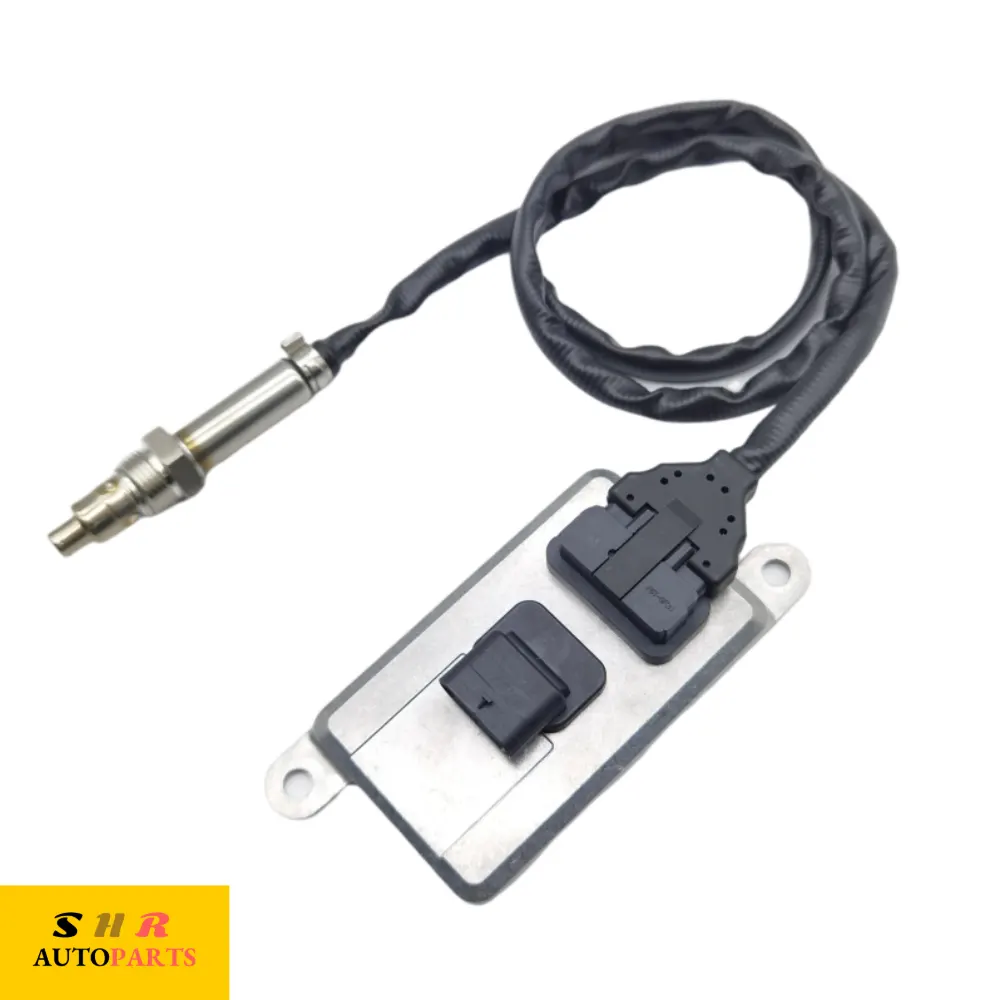
  • Upstream NOx sensor — engine-out measurement, highest thermal load, most failures.
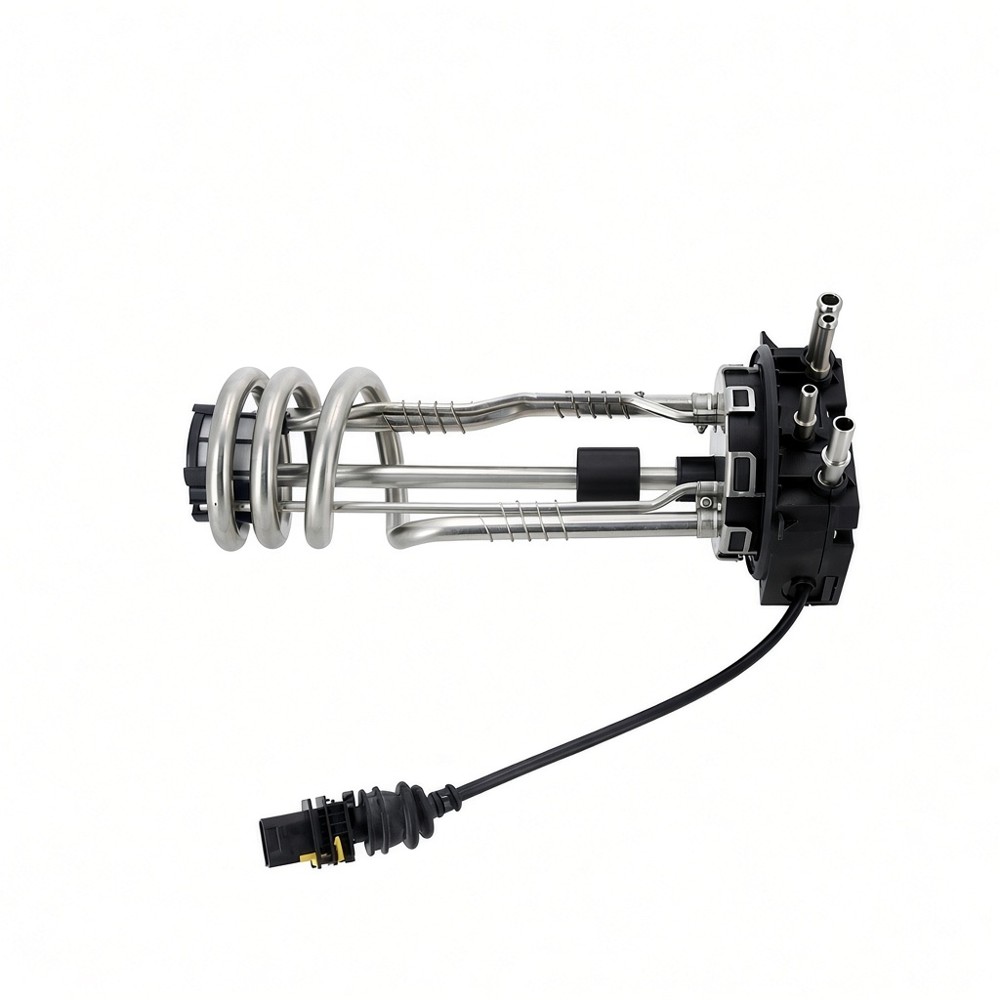
  • DEF dosing injector — crystallises if the dosing valve leaks; a stuck injector floods the SCR brick.
  • DEF level & quality sensor — tank-side, corrosion-prone.
  • Downstream NOx sensor — verifies conversion efficiency; P20EE usually points here.

Maintenance that actually helps

Use ISO 22241-compliant DEF, keep the tank cap sealed, fix heater faults before winter, and replace sensors at the first derate instead of clearing codes. A function-tested replacement costs a fraction of a dealer unit.

Start with the NOx sensor catalogue and the DEF level sensor range, or read our urea dosing pump module listing to see the full cross-reference format.
Posted on — Leave a comment

How to Cross-Reference an OE Number to Find the Right Sensor

Why one part has five numbers

A single NOx sensor carries up to four identifiers: the vehicle manufacturer’s OE number (4K0907807G), the sensor maker’s number (Continental A2C…, Bosch 0 281 00…), the aftermarket cross (NGK 5WK9…), and the internal logistics SKU. Dealers price by the first; everybody searches by whichever number is printed on the box they already have.

How to cross-reference correctly

  • Read the number on the part — the control head or probe body, not the invoice.
  • Match the platform, not the brand badge — a 4K0907807G fits Audi A6/A7 C8 3.0 TDI, not “every VW”.
  • Watch the suffix letter — 4K0907807A through -AJ differ in calibration; supersessions exist within families.
  • Check the connector — pin count and keyway must match.

Use our fitment checker

Type any OE number into the fitment checker — it maps to the exact listing. Or browse by brand and the full shop. Every listing carries the complete cross-reference list in the description.

Posted on — Leave a comment

DEF Level Sensor Troubleshooting: 6 Causes of Wrong Gauge Readings

Symptom: wrong gauge reading or DEF warning

On most modern trucks the DEF level is read by a sensor with a reed-switch or ultrasonic probe inside the tank. When the gauge shows empty with a full tank — or full with an empty tank — the fault is almost always in the sensor, not the tank.

6 causes we see every week

  • Cracked probe — urea crystallises in hairline cracks and shorts the reed chain.
  • Failed heating element — in cold climates the DEF heater burns out and the ECU freezes the level reading.
  • Corroded connector pins — urea is corrosive; a green crust on the pins is a tell-tale sign.
  • Float sinking — a saturated float reads permanently low.
  • Broken harness — chafed wires near the tank strap.
  • Wrong probe length — a 70L probe in a 40L tank reads 30% forever.

Quick diagnosis

Unplug the sensor and measure resistance across the reed chain while moving the float by hand — the resistance should step evenly. If the reading is open or flat, replace the sensor.

We stock direct-fit DEF level sensors for Volvo, Cummins, Freightliner, PACCAR and International — for example the 23539939 sensor for Volvo/Mack 70L tanks. Browse the full DEF level sensor range.

Posted on — Leave a comment

How a NOx Sensor Works — and the 5 Most Common Failure Modes

What a NOx sensor does

A NOx sensor (nitrogen oxide sensor) sits in the exhaust system after the diesel oxidation catalyst and inside the SCR catalyst. It measures the concentration of NO and NO₂ in the exhaust stream and reports the values to the engine control unit, which then doses AdBlue/DEF through the dosing injector to convert NOx into nitrogen and water. When the sensor drifts or fails, the ECU derates the engine — typically capping torque or limiting speed — and logs fault codes such as P20EE, P2201 or P229F.

The 5 most common failure modes

  • Internal electronics failure — the control head overheats or vibrates loose; the most frequent fault on high-mileage trucks.
  • Probe soot contamination — frequent short trips and DPF regeneration cycles coat the sensing element and delay readings.
  • Connector corrosion — water ingress raises resistance on the CAN/CAN-lite lines and throws implausible-signal codes.
  • Thermal shock cracking — repeated cold starts in winter crack the ceramic sensing element.
  • Wiring chafing — harness rubbing on the frame wears through the insulation near the probe.

Replacement tips

Always match the OE part number printed on the control head — not the engine model. Cross-family numbers (for example the 4K0907807 series on Audi/VW platforms) share a footprint but differ in calibration. Every NOx sensor we list is function-tested before shipping and covered by a 12-month warranty.

Browse the complete NOx sensor catalogue or check a specific OE number with the fitment checker on the homepage.